
Second Opinion for Head and Neck Cancer
Head and neck cancer can affect important functions such as speaking, swallowing, breathing, and appearance. A specialist second opinion can help you understand your diagnosis and compare surgery, radiation, chemotherapy, and other treatment options before making a treatment decision.
Why Consider a Second Opinion?
Treatment for head and neck cancer depends on the cancer’s location, stage, histology, HPV status in relevant cancers, and overall health.
A second opinion can help you understand:
- Surgery versus organ-preserving treatment
- Need for radiation therapy
- Role of concurrent chemotherapy
- IMRT and IGRT treatment options
- Lymph-node treatment and neck management
- Possible effects on swallowing, speech, and salivary function
When Should You Consider a Second Opinion?
A second opinion may be useful if:
- Total laryngectomy has been recommended
- You have been told the cancer is inoperable
- You are concerned about radiation side effects
- You are unsure about the need for chemotherapy with radiation
- Neck dissection has been recommended
- You want to understand organ-preserving treatment options
- You have received different treatment recommendations
Get Second Opinion
UPI For Indian Patients Only
FEE : ₹ 2500 only

Paypal For Non Indian Patients Only
FEE : $33 only
Why Choose Us
Dedicated
Professional Services
Cutting Edge Technology
Hassle Free Services
Comprehensive Cancer Care
Cost Effective Services
Other Services

Radio Therapy
It is used for destruction of precisely selected areas of tissue using ionizing radiation.

Screening provides the benefit of early detection of cancer when it is very small.
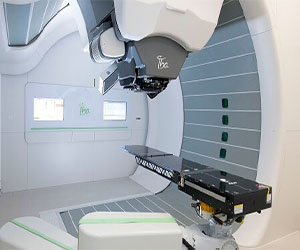
Proton therapy is an advanced form of radiation therapy designed to kill cancer cells.

It is essential to diagnose cancer early and with certainty. Different modalities are used for …
Frequently Asked Questions
Why should I get a second opinion for head and neck cancer?
A second opinion can help confirm your diagnosis, understand your cancer stage, and explore appropriate treatment options.
What medical reports are needed for a second opinion?
You may provide biopsy and pathology reports, CT/MRI/PET scans, blood reports, endoscopy findings, and previous treatment records.
Can a second opinion confirm my diagnosis?
A specialist can review your available reports and pathology findings to provide an independent medical assessment.
Can a second opinion change my treatment plan?
It may. The specialist may confirm your current plan or discuss other appropriate treatment approaches based on your individual case.
Can I get a second opinion before starting treatment?
Yes. Getting another expert opinion before treatment can help you better understand the proposed treatment and available options.
Can I get a second opinion after treatment has started?
Yes. Your current treatment, response, and medical records can be reviewed to provide further guidance.
Can a second opinion help with surgery decisions?
Yes. A specialist can review your reports and discuss whether surgery may be appropriate and what treatment approaches may be considered.
Can I get a second opinion about radiation therapy?
Yes. Your diagnosis, imaging, and existing treatment plan can be reviewed to provide an expert perspective on radiation treatment.
Can I get a second opinion about chemotherapy or other drug treatments?
Yes. Depending on the type and stage of cancer, a specialist can review whether chemotherapy or other systemic treatments may be appropriate.
What types of head and neck cancer can be reviewed?
Second opinions may be sought for cancers involving areas such as the mouth, throat, larynx, nasal cavity, sinuses, salivary glands, and other head and neck regions.
Can my pathology report be reviewed again?
Yes. In some cases, pathology findings can be reviewed by another qualified specialist for additional confirmation or clarification.