
Second Opinion After Cancer Recurrence
Cancer recurrence can require a fresh treatment assessment. A second opinion after cancer recurrence in Delhi can help review previous treatment, current disease status, and options such as re-irradiation, SBRT, or systemic therapy.
Why Does Cancer Recurrence Need a Fresh Opinion?
When cancer returns, treatment decisions depend on where the recurrence is located, previous treatments, and the patient’s current condition. An expert review can help identify appropriate treatment options and determine whether radiation may have a role.
What Is Reviewed After Cancer Recurrence?
- Local, regional, or distant recurrence
- Previous radiation treatment and dose
- Feasibility of re-irradiation
- SBRT for selected limited recurrences
- Coordination with systemic therapy
- Current scans and pathology
- Possible clinical trial options
Who Should Seek a Second Opinion?
A recurrent cancer treatment second opinion in India may be useful if:
- Cancer has returned after surgery, radiation, or chemotherapy
- You have been told no further treatment is possible
- Cancer has returned at one or a few sites
- Re-irradiation is being considered
- You want alternatives to the current treatment plan
Get Second Opinion
UPI For Indian Patients Only
FEE : ₹ 2500 only

Paypal For Non Indian Patients Only
FEE : $33 only
Why Choose Us
Dedicated
Professional Services
Cutting Edge Technology
Hassle Free Services
Comprehensive Cancer Care
Cost Effective Services
Other Services
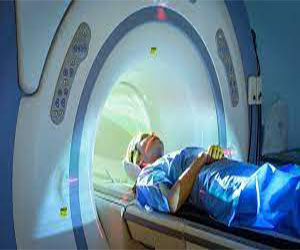
Radio Therapy
It is used for destruction of precisely selected areas of tissue using ionizing radiation.

Screening provides the benefit of early detection of cancer when it is very small.
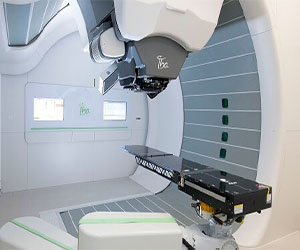
Proton therapy is an advanced form of radiation therapy designed to kill cancer cells.
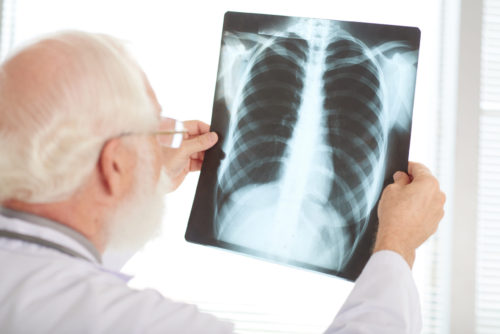
It is essential to diagnose cancer early and with certainty. Different modalities are used for …
Frequently Asked Questions
Can radiation be given again after previous radiation?
Yes, re-irradiation may be possible in selected patients. It depends on the previous radiation dose, treatment area, time since treatment, and nearby organ tolerance.
What is oligometastatic recurrence?
It refers to cancer that has returned or spread to a limited number of sites. In selected patients, focused treatments such as SBRT may be considered.
My doctor said there are no further treatment options. Should I seek a second opinion?
A second opinion can help review the available options and determine whether treatments such as re-irradiation, SBRT, systemic therapy, or supportive radiation may be appropriate.
What reports are needed for a recurrence second opinion?
Previous treatment records, radiation details if applicable, recent PET-CT/MRI/CT scans, pathology or biopsy reports, and relevant blood tests are useful.
Can I get a second opinion if cancer came back after radiation?
Yes. A cancer came back second opinion in Delhi NCR can help assess whether further radiation or other treatment options may be appropriate.
What is re-irradiation?
Re-irradiation means giving radiation to an area that has previously received radiation. It requires careful assessment of previous dose and nearby healthy tissues.
Can I get a second opinion online for recurrent cancer?
Yes. An online review may be possible when complete medical records, scans, pathology reports, and previous treatment details are available.
What should I ask during a recurrent cancer second opinion?
Ask about the recurrence pattern, available treatment options, re-irradiation feasibility, SBRT, systemic therapy, clinical trials, and expected goals of treatment.
Can SBRT be used when cancer has spread to a few locations?
In selected patients with limited disease, SBRT may be considered as part of a multidisciplinary treatment approach.
Can I seek a second opinion after chemotherapy has failed?
Yes. A recurrent cancer treatment second opinion can help review whether radiation, systemic treatment, clinical trials, or supportive care may be appropriate.
Can recurrent cancer be treated if it has spread?
Treatment depends on the number and location of metastatic sites, cancer type, previous treatments, and overall health. Different treatment approaches may be considered.