
Second Opinion for Brain Tumour Delhi NCR
A brain tumour diagnosis can bring difficult questions about surgery, radiation therapy, medicines, observation, and the next step in treatment. The appropriate approach depends on the type of tumour, its grade, location within the brain, molecular characteristics, symptoms, and how much tumour remains after surgery.
For patients seeking a second opinion for brain tumour treatment Delhi, relevant MRI scans, pathology reports, operative records, molecular test results, and previous treatment details can be reviewed to better understand the proposed treatment approach.
Why Consider a Second Opinion for Brain Tumour Delhi?a
Brain tumours are not all the same. A low-grade diffuse glioma, high-grade glioma, meningioma, and brain metastasis can have very different treatment pathways.
A specialist review may help you understand:
- What type of brain tumour has been diagnosed
- What the tumour grade and relevant molecular findings meanWhether surgery, radiation, observation, or a combination should be considered
- Whether the extent of tumour removal affects further treatment
- Whether stereotactic radiation may be appropriate
- How previous treatment influences the next step
- What questions should be discussed with the treating cancer team
The NCI notes that treatment of adult brain tumours depends on factors including tumour type, location, grade, and the amount of tumour remaining after surgery.
When Is a Brain Tumour Second Opinion Useful?
A brain tumour second opinion Delhi NCR may be useful:
- After receiving a new brain tumour diagnosis
- Before deciding on surgery
- After biopsy or tumour resection
- When radiation therapy has been recommended
- When you have been advised to undergo SRS or FSRT
- When the pathology or molecular results are difficult to understand
- When a tumour has recurred
- When different specialists have suggested different treatment approaches
- When you want an additional radiation oncology assessment
A second opinion can provide additional information without requiring you to discontinue communication with your current treating team.
What Does a Brain Tumour Second Opinion Include?
A second opinion from brain tumour specialist Delhi consultation may include review of:
- Pre- and post-operative MRI brain scans
- Biopsy and histopathology reports
- Tumour grade
- Molecular markers such as IDH, MGMT and 1p/19q where relevant
- Operative notes
- Previous radiation or other treatment records
- Proposed radiation treatment plan
The goal is to provide an individualized assessment based on the available medical information.
Online Brain Tumour Second Opinion in Delhi
An online consultation with Dr. Dodul Mondal, Radiation Oncologist, may be suitable when the relevant medical records and imaging are available for review. Patients can share MRI scans, pathology reports, operative records, molecular test results, and previous treatment details for assessment. During the consultation, patients seeking an online brain tumour second opinion Delhi can discuss their diagnosis, proposed treatment, and possible radiation therapy options with Dr. Dodul Mondal. An in-person consultation may still be recommended when a physical or neurological examination, additional investigations, or direct clinical assessment is required.
Get Second Opinion
UPI For Indian Patients Only
FEE : ₹ 2500 only

Paypal For Non Indian Patients Only
FEE : $33 only
Why Choose Us
Dedicated
Professional Services
Cutting Edge Technology
Hassle Free Services
Comprehensive Cancer Care
Cost Effective Services
Other Services
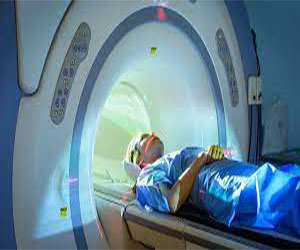
Radio Therapy
It is used for destruction of precisely selected areas of tissue using ionizing radiation.
Screening provides the benefit of early detection of cancer when it is very small.
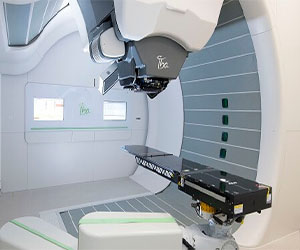
Proton therapy is an advanced form of radiation therapy designed to kill cancer cells.
It is essential to diagnose cancer early and with certainty. Different modalities are used for …
Frequently Asked Questions
Why should I get a second opinion for a brain tumour?
A second opinion can provide an additional review of the tumour diagnosis, pathology, MRI findings, treatment history, and proposed management. It may confirm the current plan or identify other appropriate options for discussion.
What reports are required for a brain tumour second opinion?
Important records may include MRI scans and reports, pathology and biopsy reports, molecular tests when relevant, operative notes, previous treatment records, and the current treatment recommendation.
Can a second opinion confirm my brain tumour diagnosis?
Yes. A second specialist review may help clarify the tumour type and pathology. In complex cases, additional pathology review or molecular testing may be recommended.
Can a second opinion change my treatment plan?
It can. Another specialist may recommend continuing the current plan, modifying it, considering another treatment option, or obtaining additional information before making a decision.
Can I get a second opinion after surgery?
A second opinion can be useful before surgery when you want to understand the purpose of the operation, possible treatment alternatives, and how surgery may affect subsequent radiation or other treatment. Surgical questions are best discussed with a qualified neurosurgeon.
Can I get a second opinion about radiation therapy?
Yes. A Radiation Oncologist can review whether radiation is appropriate, which technique may be suitable, and how treatment should be planned based on the tumour type, location, previous surgery, and other clinical factors.
Can I get a second opinion about chemotherapy or other medicines?
Yes, but detailed recommendations about systemic medicines are generally assessed by a Medical Oncologist. A Radiation Oncologist can also explain how systemic treatment may interact with or be sequenced with radiation when relevant.
Can my MRI or CT scan be reviewed again?
Yes. Imaging can be reviewed as part of a second opinion. Providing the actual scan images in addition to the radiology report can be particularly useful for treatment planning.
Can my pathology report be reviewed again?
Yes. Pathology reports can be reviewed, and in selected cases the original slides or tissue may need to be reassessed. Molecular testing may also be relevant for certain brain tumour types.
Can I get a second opinion for a benign brain tumour?
Yes. Benign does not necessarily mean that no treatment is required. Management may include observation, surgery, or radiation depending on the tumour type, size, location, symptoms, growth, and other clinical factors. For example, selected asymptomatic grade I meningiomas may be monitored, while other meningiomas may require treatment.