
Second Opinion After Cancer Recurrence Delhi NCR
Cancer recurrence means that cancer has returned after treatment or a period of improvement. It may occur at the original site, in nearby lymph nodes or tissues, or in another part of the body. The next treatment decision depends on the location and extent of recurrence, cancer type, previous treatment and the patient’s current health.
A second opinion after cancer recurrence in Delhi involves reviewing the latest medical findings alongside the patient’s previous treatment history. It can help clarify the current disease status and assess possible approaches, including further radiation therapy, re-irradiation, stereotactic body radiation therapy (SBRT), systemic treatment or supportive care.
Why Is a Second Opinion Important After Cancer Recurrence?
When cancer returns, the treatment approach may need to be reassessed. Previous surgery, chemotherapy or radiation therapy can influence which options may be considered next.
A cancer recurrence second opinion in Delhi may help review:
- Whether the recurrence is local, regional or distant.
- Findings from recent scans and pathology reports.
- The effect of previous cancer treatments on current options.
- Whether further radiation or re-irradiation may be considered.
- The possible role of SBRT or systemic treatment.
- The objectives of further treatment, including disease control or symptom relief.
A second opinion does not necessarily mean that the existing treatment recommendation is incorrect or that a different treatment will be advised.
What Is Reviewed During a Cancer Recurrence Second Opinion?
1. Current Diagnosis and Extent of Recurrence
Recent PET-CT, CT or MRI findings, biopsy reports and pathology results are reviewed to understand where the cancer has returned and whether further investigations are required.
2. Previous Cancer Treatment
Earlier surgery, chemotherapy, immunotherapy, targeted therapy and radiation treatment are considered when assessing subsequent treatment options.
3. Possibility of Re-Irradiation
If the recurrent tumour is located in an area that has previously received radiation, the earlier radiation dose, treatment area and time since treatment need careful assessment. The tolerance of nearby healthy organs is also important.
4. Role of SBRT
SBRT may be considered for selected patients with limited sites of recurrent or metastatic cancer. Its suitability depends on the tumour location, disease extent, previous treatment and overall treatment plan.
5. Other Treatment Approaches
Depending on the clinical findings, the review may consider surgery, systemic treatment, clinical trials or supportive and palliative care.
Who May Consider a Second Opinion After Cancer Recurrence?
An additional medical review may be relevant when:
- Cancer has returned after surgery, chemotherapy or radiation therapy.
- Recurrence has been identified at one or a few sites.
- Re-irradiation is being considered.
- Different treatment recommendations have been provided.
- The role of further radiation or other treatment options needs clarification.
- The patient has questions about treatment goals or symptom management.
The appropriate next step depends on the individual diagnosis and clinical assessment.
Medical Records Required for Review Cancer Recurrence
The following documents may be required for a cancer recurrence assessment:
- Recent PET-CT, CT or MRI reports and scan images.
- Biopsy and histopathology reports.
- Previous surgery and treatment summaries.
- Chemotherapy, immunotherapy or targeted therapy records.
- Previous radiation treatment details, including dose and treatment plan, if applicable.
- Relevant blood investigations and molecular or biomarker reports, where available.
Complete records help provide a clearer understanding of the cancer history and previous treatment exposure.
Online Second Opinion After Cancer Recurrence in Delhi
An online second opinion after cancer recurrence in Delhi may be possible with Dr. Dodul Mondal, Radiation Oncologist, when recent scan images, pathology reports and previous treatment records are available for review.
The consultation may involve discussing the recurrence pattern, previous radiation exposure, possible treatment approaches and the need for additional investigations. An online review has limitations and may need to be supplemented by a physical examination or further clinical assessment.
Get Second Opinion
UPI For Indian Patients Only
FEE : ₹ 2500 only

Paypal For Non Indian Patients Only
FEE : $33 only
Why Choose Us
Dedicated
Professional Services
Cutting Edge Technology
Hassle Free Services
Comprehensive Cancer Care
Cost Effective Services
Other Services
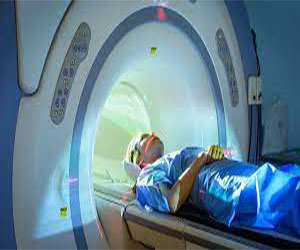
Radio Therapy
It is used for destruction of precisely selected areas of tissue using ionizing radiation.

Screening provides the benefit of early detection of cancer when it is very small.
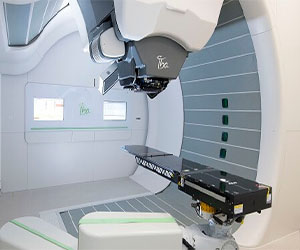
Proton therapy is an advanced form of radiation therapy designed to kill cancer cells.
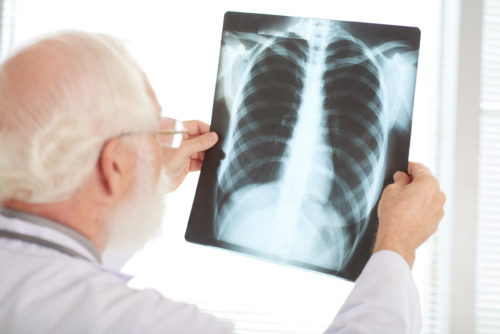
It is essential to diagnose cancer early and with certainty. Different modalities are used for …
Frequently Asked Questions
What does cancer recurrence mean?
Cancer recurrence means that cancer has returned after treatment or a period when it was not detectable. It may occur at the original site, nearby lymph nodes or tissues, or a distant organ.
Does cancer recurrence always mean that it has spread to other organs?
No. Recurrence can be local, regional or distant. Local recurrence occurs near the original tumour site, regional recurrence involves nearby tissues or lymph nodes, and distant recurrence involves other parts of the body.
Can recurrent cancer be treated again?
Further treatment may be possible depending on the cancer type, location of recurrence, previous therapies and overall health. Options may include surgery, radiation therapy, systemic treatment, clinical trials or supportive care.
Can radiation therapy be given again after previous radiation?
Re-irradiation may be considered in selected cases. The previous radiation dose, treatment area, time since treatment and cumulative exposure of nearby healthy organs must be assessed before making a decision.
What is oligometastatic cancer recurrence?
Oligometastatic recurrence refers to cancer that has spread or returned at a limited number of sites. In selected cases, local treatments such as surgery or SBRT may be considered alongside the overall treatment plan.
Can SBRT help in recurrent cancer?
SBRT delivers focused radiation to selected treatment targets in a limited number of sessions. It may be considered for certain localised or limited recurrences, depending on the cancer type, tumour location and previous treatment.
What should I ask during a recurrent cancer second opinion?
Ask about the recurrence pattern, available treatment options, re-irradiation feasibility, SBRT, systemic therapy, clinical trials, and expected goals of treatment.
Can I get an online second opinion for recurrent cancer?
An online review may be possible if the necessary medical reports, scan images and previous treatment records are available. An in-person examination or additional investigations may be required depending on the patient’s condition.
What should I do if I have been told that no further cancer treatment is possible?
A review of the diagnosis, previous treatments and current medical findings may help clarify whether additional treatment options or clinical trials are relevant. Supportive and palliative care may also be important for managing symptoms and maintaining quality of life.