
Second Opinion Before Proton Therapy Delhi NCR
Proton therapy is a form of external-beam radiation treatment that uses protons rather than X-rays (photons). In selected cases, its dose distribution may reduce radiation exposure to certain nearby healthy tissues. However, its suitability depends on the cancer type, tumour location, treatment objective and individual treatment plan.
A second opinion before proton therapy in Delhi can help patients understand why proton therapy has been recommended and how it compares with other radiation techniques. Dr. Dodul Mondal’s professional profile includes experience in Radiation Oncology and fellowship training in Proton Beam Therapy and Precision Radiation Oncology.
Why Consider a Proton Therapy Second Opinion?
Proton therapy is not automatically the most suitable option for every patient. Modern photon techniques, including intensity-modulated radiation therapy (IMRT) and volumetric modulated arc therapy (VMAT), may also provide appropriate treatment in many clinical situations.
A specialist review can help clarify the rationale for the proposed treatment, compare available radiation approaches and identify questions that need further discussion with the treating team.
What Is Reviewed During a Proton Therapy Second Opinion?
A proton therapy second opinion in Delhi may include a review of the following, depending on the available medical records:
- Diagnosis and tumour location: Cancer type, stage, pathology findings and imaging reports.
- Proton versus photon treatment: The proposed proton plan and relevant alternatives, such as IMRT or VMAT.
- Dose distribution: Planned radiation exposure to the tumour and nearby organs at risk, where treatment-planning information is available.
- Treatment objectives: The purpose of radiation therapy and the expected role of the proposed approach in the overall treatment plan.
- Previous treatments: Earlier surgery, chemotherapy or radiation therapy that may influence treatment planning.
- Age and individual considerations: Factors such as a child’s stage of development or the proximity of critical structures, where clinically relevant.
The final choice of treatment depends on individual clinical assessment and detailed treatment planning.
Who May Consider a Second Opinion Before Proton Therapy?
A second opinion may be helpful for patients who:
- Have received a recommendation for proton therapy and want to understand its clinical rationale.
- Want to compare proton therapy with IMRT or VMAT.
- Have a tumour near sensitive structures, such as certain brain, skull-base, head-and-neck or spinal tumours.
- Are exploring proton therapy for a child.
- Are considering treatment at a proton therapy centre outside their home city or country.
Medical Records Required for Review
Patients should keep the following records available, where applicable:
- Biopsy or histopathology reports.
- CT, MRI or PET-CT reports and scan images.
- Cancer diagnosis and staging information.
- Previous surgery, chemotherapy or radiation therapy records.
- The proposed radiation treatment plan and dose details, if available.
Complete records help the reviewing specialist understand the clinical situation and the basis of the proposed treatment.
Online Second Opinion Before Proton Therapy in Delhi
An online second opinion before proton therapy in Delhi may be possible when relevant medical reports, scan images and the proposed treatment plan are available for review. The specialist may request additional documents or an in-person assessment if needed.
An online review can help clarify treatment-related questions, but its scope depends on the quality and completeness of the records provided.
Get Second Opinion
UPI For Indian Patients Only
FEE : ₹ 2500 only

Paypal For Non Indian Patients Only
FEE : $33 only
Why Choose Us
Dedicated
Professional Services
Cutting Edge Technology
Hassle Free Services
Comprehensive Cancer Care
Cost Effective Services
Other Services
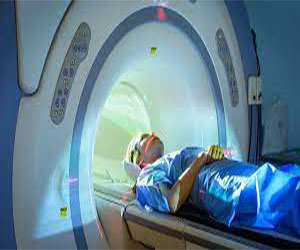
Radio Therapy
It is used for destruction of precisely selected areas of tissue using ionizing radiation.

Screening provides the benefit of early detection of cancer when it is very small.
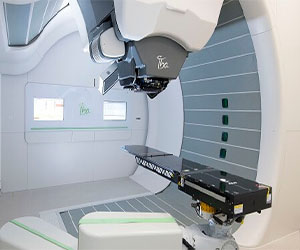
Proton therapy is an advanced form of radiation therapy designed to kill cancer cells.
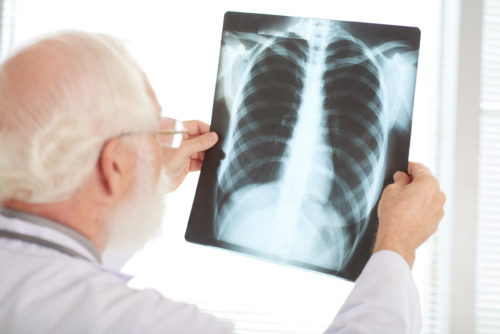
It is essential to diagnose cancer early and with certainty. Different modalities are used for …
Frequently Asked Questions
Is proton therapy better than IMRT or VMAT?
Not in every case. Proton therapy and photon techniques have different dose-distribution characteristics. The appropriate option depends on tumour location, treatment goals, nearby organs and the expected benefit demonstrated by individual treatment planning.
Which cancers may be considered for proton therapy?
Proton therapy may be considered for selected cancers, depending on their location, the patient’s clinical circumstances and the potential to reduce radiation exposure to healthy tissues. The diagnosis alone does not determine whether it is the most appropriate technique.
Can proton therapy reduce radiation-related side effects?
It may reduce radiation exposure to certain nearby healthy tissues in selected cases, which could reduce some treatment-related risks. However, fewer side effects are not guaranteed, and the actual risks depend on the treatment area, dose and individual plan.
What documents are required for a proton therapy second opinion?
Relevant records may include biopsy reports, CT, MRI or PET-CT scans, cancer staging details, previous treatment records and the proposed radiation plan. Treatment-planning files may also be needed for a detailed comparison of radiation techniques.
Can I get an online second opinion before proton therapy in Delhi?
An online second opinion may be possible if the necessary medical records and scan images can be reviewed remotely. Additional information or an in-person assessment may be required depending on the case.
Should I seek a second opinion before travelling for proton therapy?
Reviewing the diagnosis, proposed treatment and available alternatives before making travel arrangements can help clarify the clinical rationale and outstanding questions. Treatment suitability and availability should be confirmed with the relevant specialists and treatment centre.
Is proton therapy suitable for children?
It may be considered for selected childhood cancers because limiting radiation exposure to developing tissues can be important. Suitability depends on the diagnosis, tumour location, treatment objectives and comparison with available alternatives.
Does a second opinion confirm that proton therapy is right for me?
A second opinion does not guarantee that proton therapy is the appropriate choice. The review may support the proposed approach, identify alternatives or highlight information needed before a treatment decision can be made.
How many sessions of proton therapy are usually required?
The number of proton therapy sessions depends on the cancer type, treatment objective, tumour location and prescribed dose. Some treatment plans require a few sessions, while others involve treatment over several weeks. The schedule is determined by the treating radiation oncology team.
Can proton therapy be considered after surgery or chemotherapy?
Proton therapy may be considered after surgery or chemotherapy in selected cases. The decision depends on the cancer diagnosis, previous treatments, treatment objective and the radiation plan. The treating oncology team should review the medical records before recommending an approach.