
Second Opinion Before Radiation Therapy
Radiation therapy is an important part of cancer treatment and requires careful planning. A Second opinion before radiation therapy Delhi can help patients understand why radiation is recommended, what technique is being used and whether the proposed treatment plan is appropriate.
Should I Get a Second Opinion Before Radiation?
Yes, patients can consider an expert review before starting radiation, especially when they have concerns about the treatment plan, side effects, radiation technique or treatment goals.
A second opinion can help review:
- Whether radiation is necessary
- Curative vs palliative treatment intent
- Radiation technique and target area
- Dose and fractionation schedule
- Protection of nearby organs
- Possible treatment alternatives
What Does the Specialist Review?
The radiation treatment plan may be reviewed for:
- IMRT, VMAT, 3DCRT or SBRT technique
- Target volume
- Radiation dose
- Organs-at-risk protection
- Number of treatment sessions
- Previous surgery or treatment
- Relevant scans and pathology reports
A Second opinion radiation treatment plan Delhi NCR can provide an independent assessment before treatment begins.
Get Second Opinion
UPI For Indian Patients Only
FEE : ₹ 2500 only

Paypal For Non Indian Patients Only
FEE : $33 only
Why Choose Us
Dedicated
Professional Services
Cutting Edge Technology
Hassle Free Services
Comprehensive Cancer Care
Cost Effective Services
Other Services
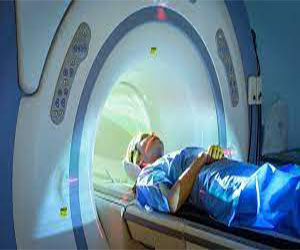
Radio Therapy
It is used for destruction of precisely selected areas of tissue using ionizing radiation.

Screening provides the benefit of early detection of cancer when it is very small.
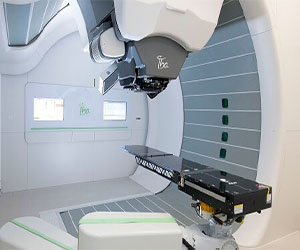
Proton therapy is an advanced form of radiation therapy designed to kill cancer cells.
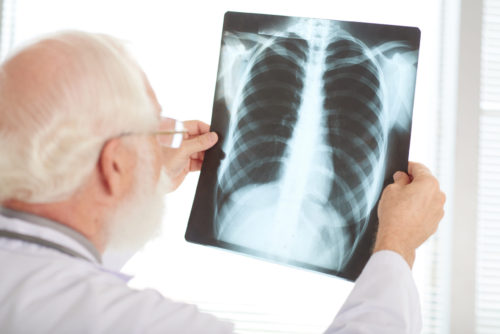
It is essential to diagnose cancer early and with certainty. Different modalities are used for …
Frequently Asked Questions
Is a second opinion necessary before radiation therapy?
A second opinion can help confirm the diagnosis, treatment goal, radiation technique, dose, and treatment area before therapy begins.
Can a radiation oncologist review my existing treatment plan?
Yes. A radiation oncologist can review your reports, scans, prescribed dose, technique, and treatment plan and provide an independent opinion.
Should I get a second opinion before radiation therapy in Delhi?
If you have concerns about the recommended treatment, technique, side effects, or treatment goal, a second opinion in Delhi can help you make a more informed decision
Can I get a radiation therapy second opinion online in India?
Yes. Depending on the case, an expert may review medical records, scans, pathology reports, and the proposed radiation plan remotely.
Can a second opinion change my radiation treatment plan?
It may. After reviewing your diagnosis and treatment plan, the specialist may agree with the existing plan or suggest a different approach when clinically appropriate.
What reports are required for a radiation second opinion?
Commonly required documents include biopsy/pathology reports, scans, previous treatment records, surgical notes, and the proposed radiation treatment plan.
Can I get a second opinion after radiation therapy has already started?
Yes. A second opinion can still be useful after treatment begins, especially if you have concerns about the treatment plan or side effects.
Why consult a radiation oncologist for a second opinion?
A radiation oncologist specializes in radiation treatment planning, dose selection, treatment techniques, and protecting nearby healthy organs.
Is a second opinion useful for brain or spine radiation?
Yes. Areas such as the brain and spine require careful treatment planning because important nerves and organs may be close to the treatment area.
How quickly can I get a radiation treatment second opinion in Delhi NCR?
The timeline depends on the complexity of the case and availability of medical records and imaging. Once the required documents are available, the review can usually be arranged promptly.
Can a second opinion help me understand radiation side effects?
Yes. A specialist can explain potential short-term and long-term side effects based on the treatment area, dose, technique, and individual health factors.