
Second Opinion for Brain Tumour
Brain tumour treatment may involve surgery, radiation therapy, systemic treatment, or careful observation depending on the tumour type, grade, location, and other clinical factors. A specialist second opinion can help you understand your diagnosis and compare treatment options before making an important decision.
Why Consider a Second Opinion for Brain Tumour?
Brain tumours can vary significantly. Treatment for a glioma may be different from treatment for a meningioma or brain metastasis.
A second opinion can help review:
- Tumour type and grade
- MRI findings
- Extent of surgical resection
- Primary brain tumour versus metastasis
- Surgery, radiation, or observation options
- SRS, FSRT, or conventional radiation
- Molecular and pathological findings
- Overall treatment sequence
What Does a Brain Tumour Second Opinion Include?
A brain tumour radiation oncologist second opinion Delhi consultation may include review of:
- Pre- and post-operative MRI brain scans
- Biopsy and histopathology reports
- Tumour grade
- Molecular markers such as IDH, MGMT and 1p/19q where relevant
- Operative notes
- Previous radiation or other treatment records
- Proposed radiation treatment plan
The goal is to provide an individualized assessment based on the available medical information.
Get Second Opinion
UPI For Indian Patients Only
FEE : ₹ 2500 only

Paypal For Non Indian Patients Only
FEE : $33 only
Why Choose Us
Dedicated
Professional Services
Cutting Edge Technology
Hassle Free Services
Comprehensive Cancer Care
Cost Effective Services
Other Services
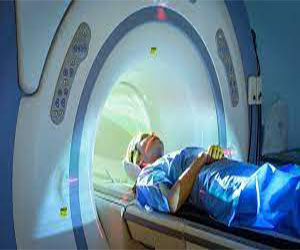
Radio Therapy
It is used for destruction of precisely selected areas of tissue using ionizing radiation.

Screening provides the benefit of early detection of cancer when it is very small.
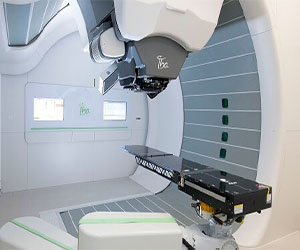
Proton therapy is an advanced form of radiation therapy designed to kill cancer cells.
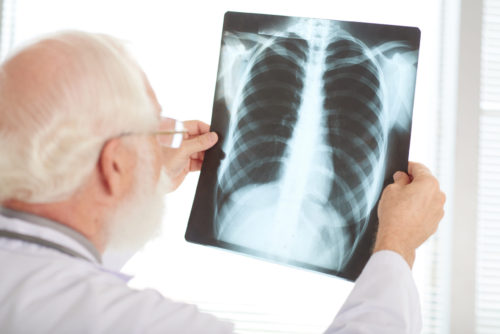
It is essential to diagnose cancer early and with certainty. Different modalities are used for …
Frequently Asked Questions
Why should I get a second opinion for a brain tumour?
A second opinion can help confirm the diagnosis, understand the type and location of the tumour, and explore appropriate treatment options.
What reports are required for a brain tumour second opinion?
You may provide MRI or CT scans, biopsy and pathology reports, blood tests, neurological assessments, and previous treatment records.
Can a second opinion confirm my brain tumour diagnosis?
A specialist can review your medical records, imaging, and pathology findings to provide an independent assessment of your diagnosis.
Can a second opinion change my treatment plan?
It may. The specialist may confirm your existing treatment plan or discuss other appropriate options based on your individual case.
Should I get a second opinion before brain tumour surgery?
Many patients seek another specialist’s opinion before surgery to better understand the diagnosis, surgical approach, potential risks, and available alternatives.
Can I get a second opinion after surgery?
Yes. Your surgical records, pathology report, follow-up scans, and current condition can be reviewed for further guidance.
Can I get a second opinion about radiation therapy?
Yes. A specialist can review your tumour characteristics, imaging, previous treatment, and proposed radiation plan.
Can I get a second opinion about chemotherapy or other medicines?
Yes. Depending on the tumour type and individual circumstances, a specialist can review the proposed drug treatment and discuss appropriate options.
Can my MRI or CT scan be reviewed again?
Yes. Imaging can be reviewed as part of a comprehensive second-opinion assessment to better understand the tumour’s location, size, and characteristics.
Can my pathology report be reviewed again?
Yes. In some cases, pathology findings can be reviewed by another qualified specialist for additional confirmation or clarification.
Can I get a second opinion for a benign brain tumour?
Yes. A second opinion can help you understand whether monitoring, surgery, or another management approach may be appropriate.