
Second Opinion for Head and Neck Cancer Delhi NCR
Head and neck cancer covers a wide range of malignancies — the mouth, throat, larynx, tongue, salivary glands, nasopharynx, and sinuses. Because these areas govern how you speak, swallow, breathe, and eat, treatment decisions carry consequences that go well beyond cancer control. A treatment plan that does not account for functional preservation can permanently affect your quality of life, even if the cancer is successfully treated.
Getting a second opinion for head and neck cancer before committing to surgery, radiation, or chemotherapy is not a sign of distrust — it is one of the most medically sound decisions a patient can make. Studies show that in over 38% of head and neck cancer cases, a specialist second opinion leads to a meaningful change in staging, treatment approach, or surgical recommendation.
Why Consider a Second Opinion for Head & Neck Cancer?
Head and neck cancer treatment is one of the most complex areas in oncology. The cancer’s exact location within a compact anatomical region — and its proximity to critical structures like the spinal cord, salivary glands, carotid artery, and cranial nerves — means that small differences in treatment planning translate into very different outcomes.
A head neck cancer second opinion in Delhi can help you:
- Confirm whether the diagnosis and staging are accurate
- Understand if surgery is truly necessary, or if radiation with concurrent chemotherapy can achieve the same result with organ preservation
- Evaluate whether IMRT or IGRT can reduce radiation exposure to the salivary glands, spinal cord, and swallowing muscles
- Assess the role of HPV status in oropharyngeal cancer and whether it allows for de-escalated treatment
- Clarify the need for neck dissection and whether it can be avoided with a good chemoradiation response
- Compare what different treatment sequences — radiation first versus surgery first — mean for your recovery and long-term function
What Does a Second Opinion for Head & Neck Cancer Treatment Include?
A thorough second opinion for head and neck cancer treatment goes beyond a quick scan review. Each case is evaluated on its own clinical and pathological merits. The assessment typically includes:
- Biopsy and histopathology review — confirming the cancer type and grade
- HPV status evaluation for oropharyngeal cancers
- Imaging review — CT, MRI, and PET-CT — to verify the stage and extent of nodal involvement
- Assessment of organ-preserving treatment options versus surgical resection
- IMRT and IGRT plan evaluation to ensure adequate tumour coverage with maximum normal tissue sparing
- Review of the role of concurrent chemotherapy — which regimen, which timing
- Reconstruction needs if surgery is unavoidable
- Swallowing and speech function preservation strategy
- Palliative versus curative intent clarification where needed
Why Should You Seek a Second Opinion
Get Second Opinion
UPI For Indian Patients Only
FEE : ₹ 2500 only

Paypal For Non Indian Patients Only
FEE : $33 only
A second opinion from a head and neck cancer specialist is worth seeking if any of the following applies:
- Total laryngectomy has been recommended and you want to explore voice-preserving alternatives
- Your cancer has been called inoperable
- You have received conflicting recommendations from different doctors
- You are concerned about radiation side effects on speech or swallowing
- Neck dissection has been recommended and you want an independent view
- Cancer has recurred after previous treatment and you want to know remaining options
Why Seek a Head & Neck Cancer Second Opinion from Dr. Dodul Mondal?
Dr. Dodul Mondal has worked at Tata Memorial Hospital Mumbai — India’s highest-volume head and neck cancer centre — followed by training at AIIMS Delhi and an international fellowship in precision radiation oncology in the United States.
At Max Institute of Cancer Care, Saket, he uses IMRT and IGRT routinely for head and neck cases — allowing precise dose delivery while sparing the salivary glands, spinal cord, and swallowing muscles. His experience with concurrent chemoradiation and organ-preservation protocols makes him well-placed to offer an independent, evidence-based second opinion.
Why Choose Us
Dedicated
Professional Services
Cutting Edge Technology
Hassle Free Services
Comprehensive Cancer Care
Cost Effective Services
Other Services

Radio Therapy
It is used for destruction of precisely selected areas of tissue using ionizing radiation.

Screening provides the benefit of early detection of cancer when it is very small.
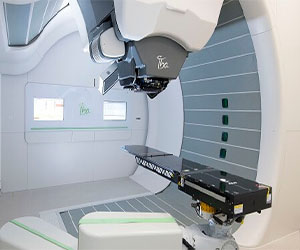
Proton therapy is an advanced form of radiation therapy designed to kill cancer cells.

It is essential to diagnose cancer early and with certainty. Different modalities are used for …
Frequently Asked Questions
Why should I get a second opinion for head and neck cancer?
Head and neck cancer affects functions you rely on every day — speech, swallowing, breathing. Treatment decisions — particularly between organ-preserving radiation and surgery — have permanent functional consequences. A specialist second opinion ensures that all options have been considered before an irreversible step is taken.
What medical reports are needed for a second opinion?
Biopsy and histopathology report with HPV status if applicable, CT scan of neck with contrast, MRI of the primary tumour site, PET-CT if available, endoscopy or nasopharyngoscopy report, and a summary of any treatment already received or proposed.
Can a second opinion confirm my diagnosis?
Yes, it can. A specialist may confirm the existing plan or identify that a different treatment sequence, technique, or modality is more appropriate for your specific case. In head and neck cancer, the rate of meaningful change after a second opinion is higher than in most other cancer types.
Can a second opinion change my treatment plan?
Yes, it can. A specialist may confirm the existing plan or identify that a different treatment sequence, technique, or modality is more appropriate for your specific case. In head and neck cancer, the rate of meaningful change after a second opinion is higher than in most other cancer types.
Can I get a second opinion before surgery is scheduled?
Absolutely — and this is the best time to seek one. Before any surgery, radiation, or chemotherapy begins, an independent review carries the most weight and allows the most flexibility in adjusting the approach.
Can radiation alone treat head and neck cancer?
In many cases, yes. Concurrent chemoradiation — radiation combined with chemotherapy — is the standard of care for locally advanced head and neck cancers. Whether surgery is additionally needed depends on treatment response and the specific cancer location.
Will getting a second opinion delay my treatment?
A second opinion consultation typically takes 24 to 48 hours. The small time investment is medically justified — it ensures that the treatment you commit to is the right one for your specific case.
Can a second opinion help with surgery decisions?
Yes. A specialist can assess whether surgery is the most appropriate primary treatment or whether radiation-based organ preservation can achieve equivalent cancer control with better functional outcomes.
Can I get a second opinion after my treatment has already started?
Yes. A mid-treatment review is possible and can guide decisions about continuing, modifying, or completing the current treatment protocol based on response and tolerance.
What types of head and neck cancer can be reviewed?
Second opinions may be sought for cancers involving areas such as the mouth, throat, larynx, nasal cavity, sinuses, salivary glands, and other head and neck regions.
How long does head and neck cancer radiation treatment take?
Standard radiation for head and neck cancer runs over 6 to 7 weeks with daily sessions. In selected cases, altered fractionation schedules or shorter courses may be appropriate — this is evaluated case by case.